Summer Garage Door Maintenance Tips for Okanagan Homeowners
Summer Garage Door Maintenance Tips for Okanagan Homeowners

Summertime has arrived in the Sunny Okanagan, which means days on the lakes, backyard barbecues, and trips to the wineries. Summer is also one of the busiest times of the year for home improvement projects.
While many homeowners focus on landscaping, patios, and exterior painting, one important part of the home is often overlooked—the garage door.
Your garage door is one of the largest moving systems in your home, opening and closing hundreds or even thousands of times each year. Warm weather is the perfect opportunity to inspect your garage door, perform routine maintenance, and address small issues before they become costly repairs.
Whether you're in Vernon, Lake Country, Coldstream, Armstrong, or elsewhere in the Okanagan, these simple maintenance tips can help keep your garage door operating smoothly all summer long.
Why Summer Is the Best Time for Garage Door Maintenance
Unlike the colder months, summer provides ideal conditions for inspecting and servicing your garage door.
Longer days, dry weather, and comfortable temperatures make it easier to identify worn components and complete preventative maintenance. Taking care of small issues now can reduce the likelihood of unexpected breakdowns during the fall and winter when garage doors are under greater stress.
Inspect Your Garage Door Springs
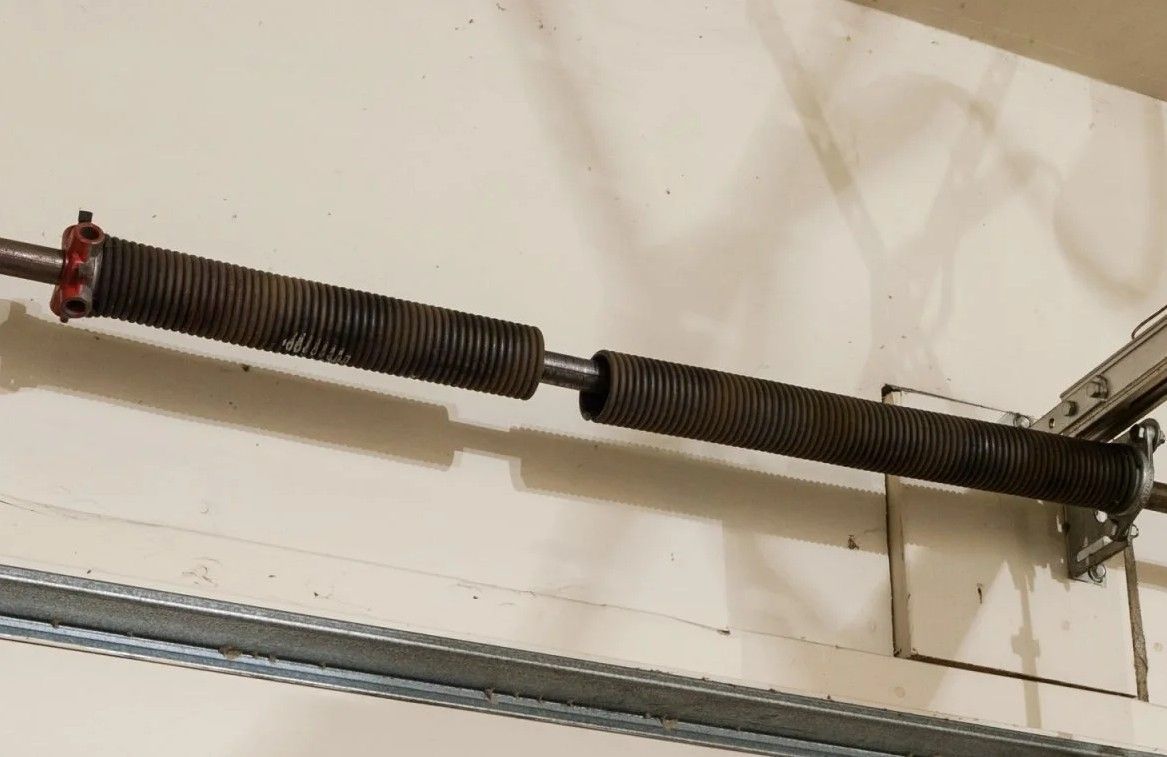
Garage door springs do the heavy lifting every time your door opens and closes. Over time, they wear out through normal use.
While you should never attempt to adjust or replace springs yourself, you can visually inspect them for:
- Rust or corrosion
- Gaps in the spring coils
- Uneven tension
- Signs of excessive wear
If you notice anything unusual or your garage door suddenly feels heavier than normal, it's a good idea to schedule a professional inspection.
Listen for Unusual Noises
A garage door should operate with relatively smooth and consistent movement.
If you hear:
- Grinding
- Squeaking
- Clicking
- Popping
- Rattling
These sounds may indicate worn rollers, loose hardware, or components that need attention.
Addressing unusual noises early often prevents larger repairs later.
Lubricate Moving Parts
Proper lubrication reduces friction and helps extend the life of your garage door system.
Apply a garage door lubricant to:
- Hinges
- Rollers (if appropriate for your roller type)
- Bearings
- Pivot points
Avoid using heavy grease or general-purpose oils, as these can attract dirt and debris.
If you're unsure which lubricant is right for your door, consult your owner's manual or ask a garage door professional.
Check the Weather Seals
The bottom seal and perimeter weather stripping help keep out:
- Dust
- Rain
- Insects
- Small rodents
- Hot air
Summer is a great time to inspect these seals for cracks, gaps, or deterioration.
Replacing damaged weather stripping can improve energy efficiency and help keep your garage cleaner.
Test Your Garage Door Safety Features
Modern garage doors include important safety systems designed to protect people and property.
Check that:
- Photo-eye sensors are clean and aligned
- The auto-reverse feature functions properly
- The emergency release cord operates smoothly
If your garage door does not reverse when expected or the sensors appear damaged, discontinue use until the system has been inspected.
Tighten Loose Hardware
Garage doors move multiple times every day, creating vibration that can gradually loosen bolts and brackets.
A quick visual inspection of:
- Hinges
- Roller brackets
- Mounting hardware
- Track supports
This can help identify loose components before they cause larger problems.
If you notice damaged hardware or significant movement, professional service is recommended.
Keep the Tracks Clean
Garage door tracks naturally collect dirt, leaves, and debris over time.
Use a soft cloth to remove loose debris and inspect the tracks for:
- Dirt buildup
- Bent sections
- Obstructions
- Visible damage
Avoid applying lubricant directly to the tracks unless recommended by the manufacturer.
Consider Upgrading to an Insulated Garage Door
If your garage becomes extremely hot during the summer months, an insulated garage door may improve comfort and energy efficiency.
Benefits can include:
- More consistent garage temperatures
- Reduced noise
- Improved durability
- Better protection for items stored in the garage
For homeowners who use their garage as a workshop, home gym, or storage area, insulation can make a noticeable difference.
Don't Ignore Small Problems
Many major garage door repairs begin as minor issues.
If you notice:
- Slower opening speeds
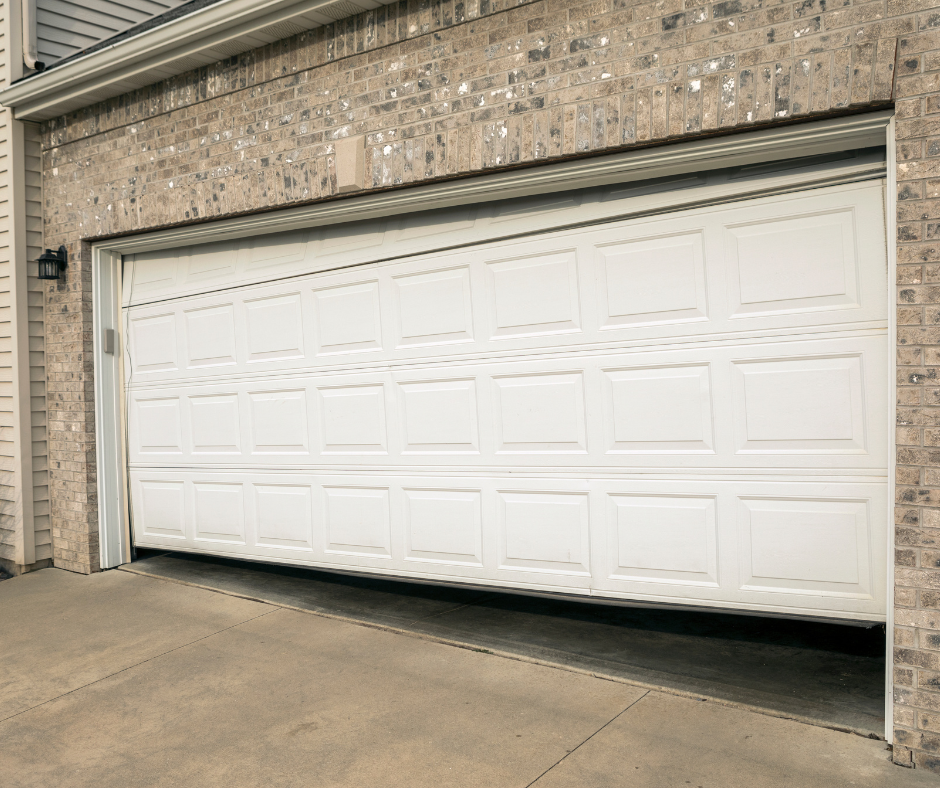
- Uneven movement
- A noisy opener
- Jerky operation
- The door reversing unexpectedly
It is often less expensive to address the issue early than to wait for a complete breakdown.
Schedule an Annual Professional Inspection
Even if your garage door appears to be working properly, a yearly inspection can help identify worn components before they fail.
A professional maintenance visit may include:
- Spring inspection
- Cable inspection
- Roller assessment
- Track alignment
- Opener testing
- Safety feature testing
- Hardware inspection
- Lubrication of key components
Routine maintenance can extend the life of your garage door system and reduce the likelihood of unexpected repairs.
Enjoy a Worry-Free Summer
Your garage door works hard every day, and a little preventative maintenance can go a long way toward keeping it operating safely and reliably.
By inspecting your system, listening for unusual noises, testing safety features, and scheduling regular maintenance, you'll be better prepared for the seasons ahead.
Whether you're enjoying weekends at the lake, heading out on a road trip, or simply spending more time outdoors, the last thing you want is a garage door that won't open when you need it.
If you have concerns about your garage door or notice signs of wear, professional service can help keep everything operating as it should.
Frequently Asked Questions
Does hot weather affect garage doors?
Yes. Summer heat can cause metal components to expand slightly, dry out lubricants over time, and accelerate wear on moving parts if regular maintenance is neglected.
How often should I lubricate my garage door?
Most manufacturers recommend lubricating key moving components every 6 to 12 months, depending on usage and environmental conditions.
What causes a garage door to become noisy?
Worn rollers, loose hardware, dry hinges, aging springs, or opener issues are among the most common causes of unusual garage door noise.
Is summer a good time to replace a garage door?
Yes. Summer's weather often makes it an excellent time to install a new garage door before colder temperatures arrive.
How often should my garage door be professionally serviced?
For most residential garage doors, an annual inspection and maintenance appointment is recommended to help ensure safe and reliable operation.
Ready to make sure your garage door is in top shape for summer? Contact us today to schedule a professional inspection, maintenance service, or repair. We're proud to serve homeowners throughout Vernon, Lake Country, Coldstream, Armstrong, and the surrounding Okanagan communities.
Recent Posts